
What NZ Homeowners Should Do If They Suspect a Leaky Home
Suspecting your NZ home might be a leaky building is stressful. Learn the practical steps to take – from getting an assessment to understanding your legal and financial options.
Read More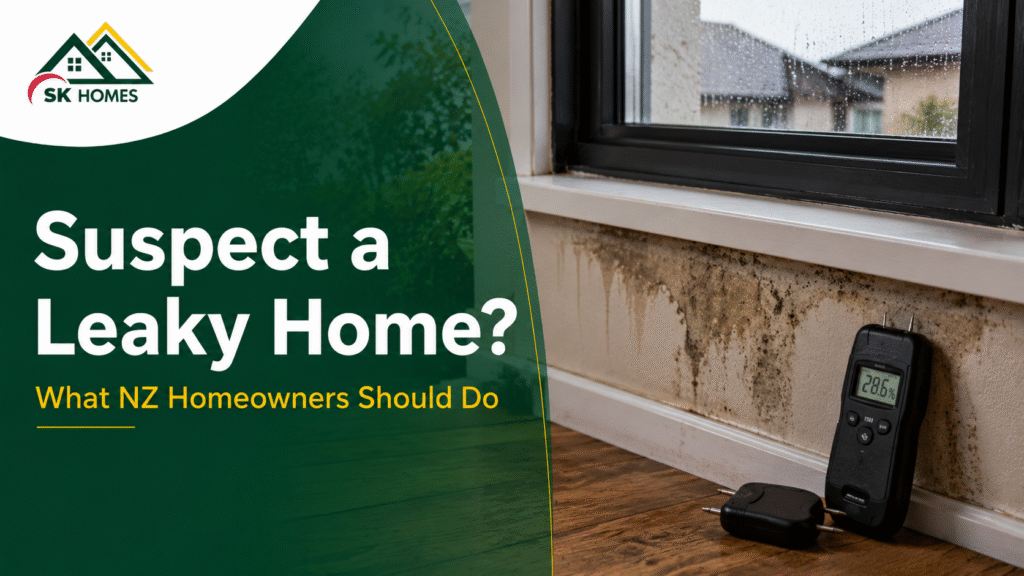
Suspecting your NZ home might be a leaky building is stressful. Learn the practical steps to take – from getting an assessment to understanding your legal and financial options.
Read More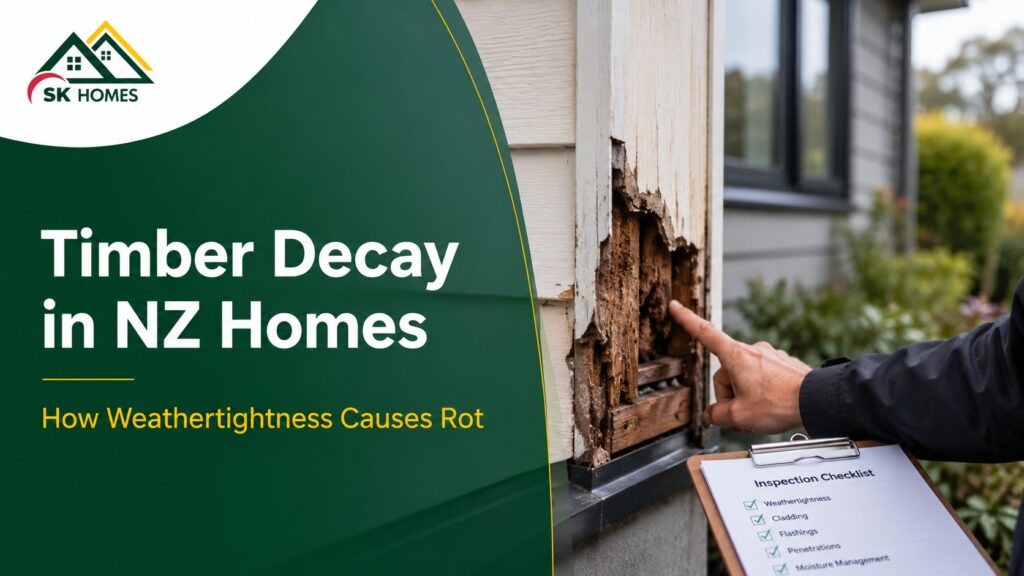
Weathertightness failures in NZ homes cause timber rot that can compromise structural integrity. Learn how moisture causes decay, what it looks like, and what it costs to fix.
Read More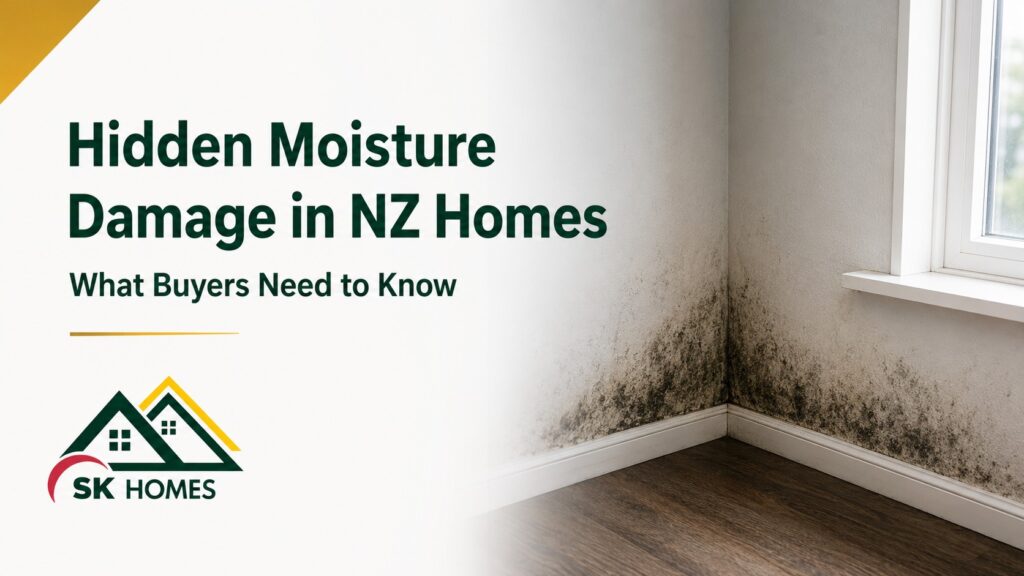
Concealed moisture damage in NZ homes is often undetectable without specialist testing. Learn why a pre-purchase building inspection with moisture testing is essential before buying.
Read More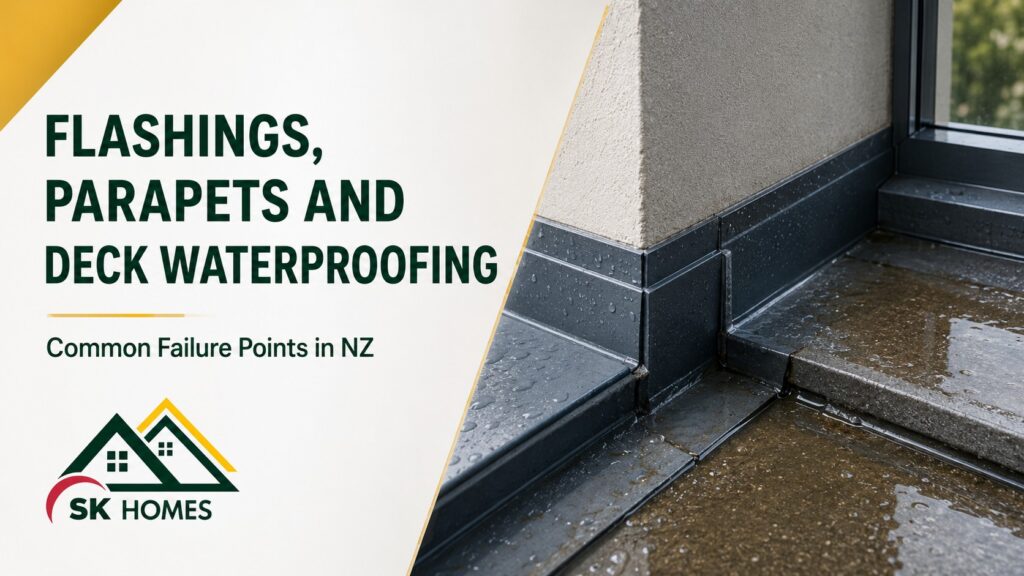
Flashings, parapets and deck connections are the most common weathertightness failure points in NZ homes. Learn what fails, why, and what buyers should check.
Read More
EIFS and plaster cladding are the highest-risk cladding types in the NZ housing stock. Learn what makes them risky and what inspection is needed before you buy.
Read More
Not sure whether you need a weathertightness assessment or a standard building inspection before buying in NZ? This guide explains the difference and who needs what.
Read More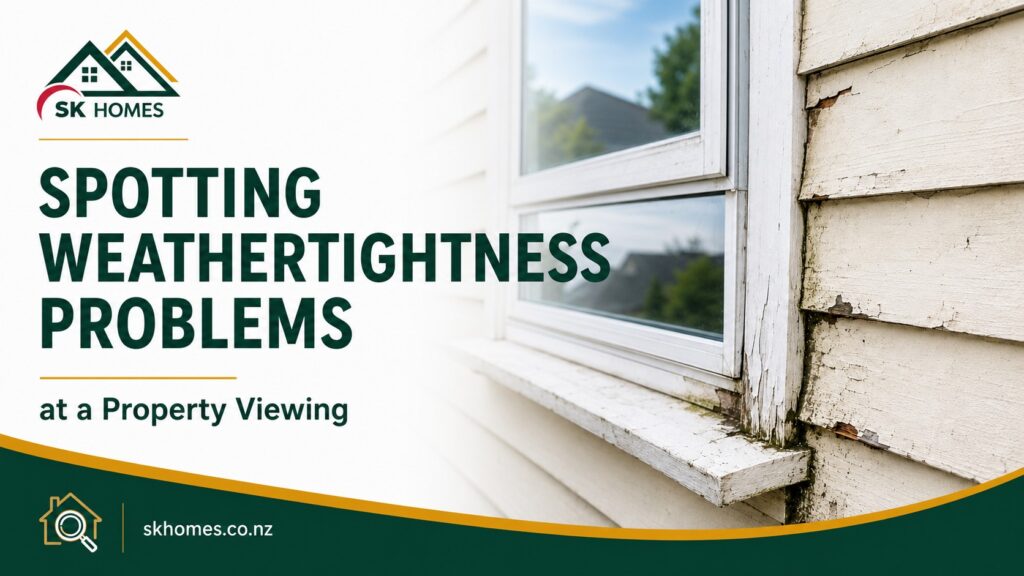
Property buyers can spot many weathertightness warning signs during a viewing without specialist equipment. Use this NZ buyer’s guide to know what to look for.
Read More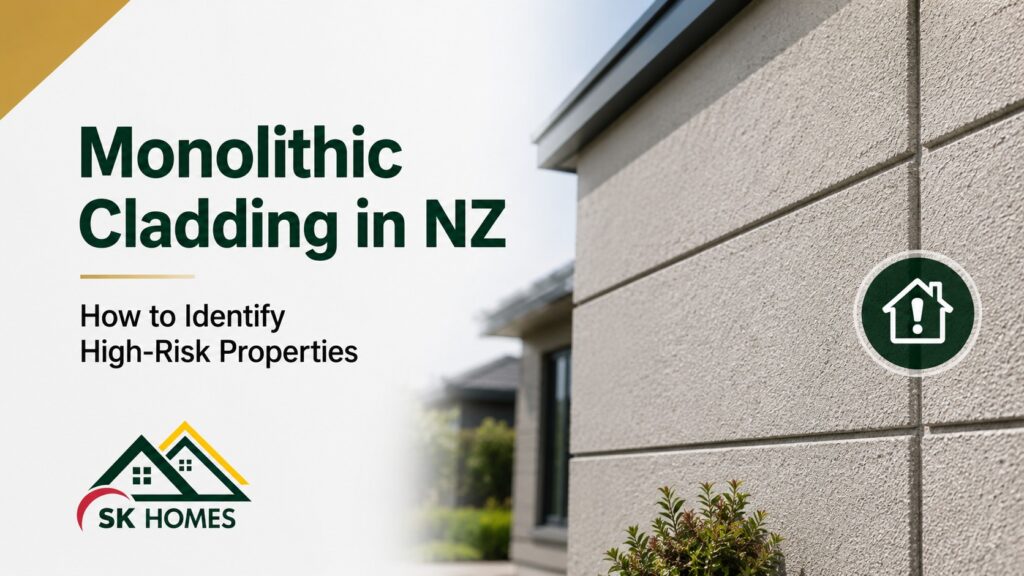
Monolithic cladding is the primary cause of NZ’s leaky building crisis. Learn how to identify high-risk properties before you buy and what inspection you need.
Read More
The NZ leaky building crisis affected tens of thousands of homeowners. Learn what caused it, how to identify high-risk properties, and what buyers must check before purchasing.
Read More
Deferred maintenance is the most expensive mistake NZ homeowners make. Learn how small problems compound into major costs and why regular professional checks are always cheaper.
Read More